
ส่วนที่ 1 คำถาม
- Do you like to keep things tidy?
- Did you use to keep your room tidy as a child?
- How do you keep your work or study space tidy?
- Do you think that it is necessary to be tidy?
สถานะการปฏิบัติ: หัวข้อที่เก็บถาวรจากรอบธนาคารคำถามครั้งก่อน ยังคงมีประโยชน์สำหรับการฝึกทักษะแต่ไม่ได้นำเสนอเป็นคำถามสอบในปัจจุบันหรือที่รับประกัน วิธีการติดป้ายกำกับหัวข้อ.
อ่านบทบรรยายฉบับสมบูรณ์
Generally I prefer to keep things tidy. I find that having a clear space helps me think and means I don't waste time looking for things. That said, I'm not obsessive about it — if I'm very busy I might let things pile up for a day or two, then I set aside time to sort everything out.
ดูหัวข้อก่อนพูด
ใช้รูปภาพเป็นไอเดีย อธิบายสิ่งที่คุณสังเกตเห็น เชื่อมโยงกับประสบการณ์ของคุณ แล้วตอบคำถามจริง
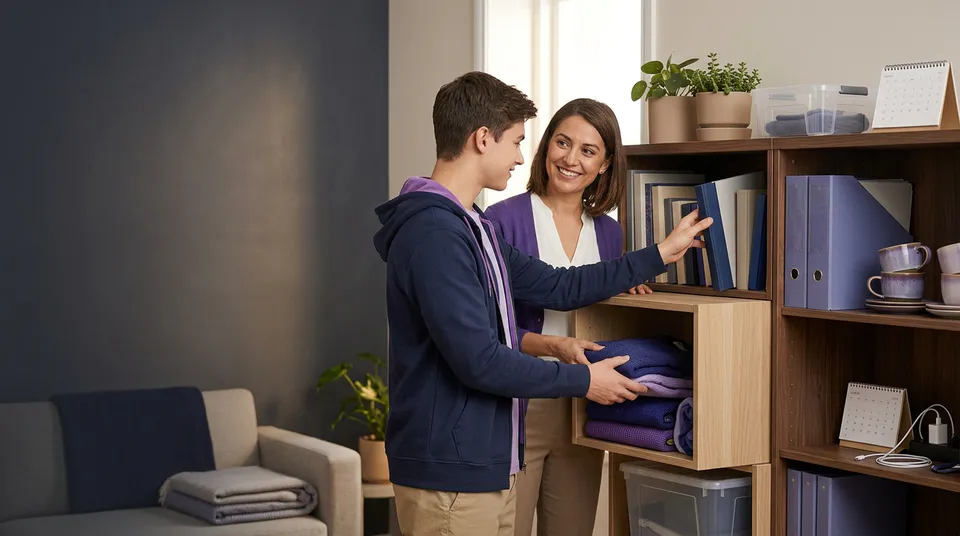
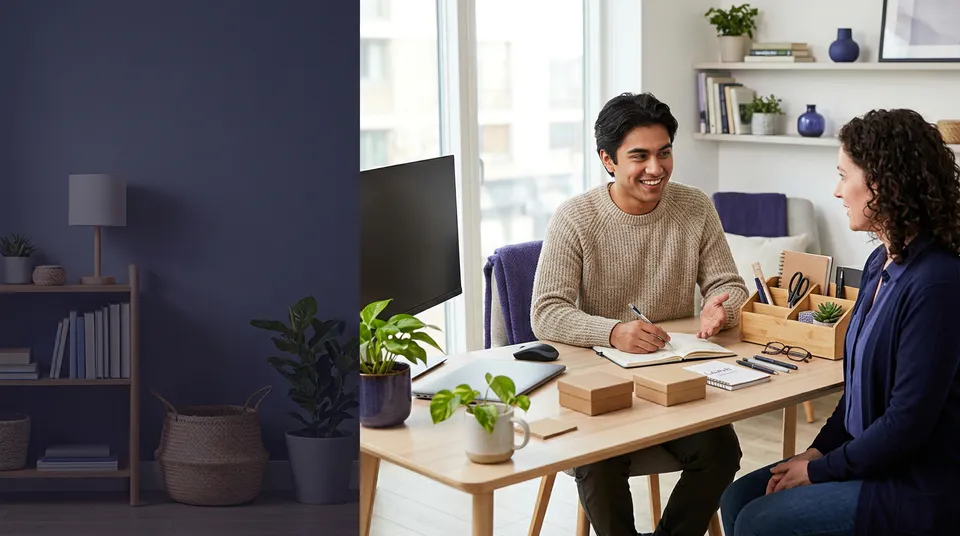
โมเดลตอบ ได้ยินพร้อมๆ กัน
เริ่มต้นด้วยคำตอบที่ง่ายกว่า สลับ Band เพื่อฟังว่างานเดียวกันนี้สามารถพัฒนาได้อย่างไร จากนั้นจึงบันทึกคำตอบส่วนตัว นี่เป็นตัวอย่างการสอน ไม่ใช่คำตอบอย่างเป็นทางการหรือการรับประกันคะแนน
Do you like to keep things tidy?
Yes, I do. I like things to be tidy because it makes it easier to find things. When my flat is tidy I feel calmer and less stressed. Sometimes I leave a bit of mess if I'm busy, but I usually do a quick tidy-up.
Generally I prefer to keep things tidy. I find that having a clear space helps me think and means I don't waste time looking for things. That said, I'm not obsessive about it — if I'm very busy I might let things pile up for a day or two, then I set aside time to sort everything out.
Did you use to keep your room tidy as a child?
No, not really. As a child I often left toys on the floor and my room could be messy. My parents had to tell me to clean it sometimes. Every so often I would tidy it properly.
I wasn't particularly tidy as a young child — my room could be a bit of a mess with toys and books everywhere. As I got older, especially at secondary school, I started to keep things neater because my parents insisted and I realised it made studying easier. So it improved with age and habit.
How do you keep your work or study space tidy?
I try to keep my desk tidy by putting pens and papers back in drawers. I clear away cups and food, and I throw away rubbish. If I finish work I make sure the desk is ready for the next day.
I keep my study space tidy by doing a quick clear-up at the end of each day: I file loose papers into labelled folders, stash chargers and cables in a box, and wipe the surface. I also do a more thorough declutter at the weekend so old notes don't build up. It really helps me stay focused.
Do you think that it is necessary to be tidy?
Yes, I think it is necessary to be tidy to some extent. Being tidy helps you work better and keeps things clean. But I don't think you need to be perfect all the time; a bit of mess is OK.
I think being reasonably tidy is important because it boosts productivity and reduces stress — you're less likely to lose things and more likely to concentrate. However, there's also room for personal style: some people do their best work in a bit of creative chaos, so it's not absolute. The key is finding a balance that works for you.
สถานะการปฏิบัติ: หัวข้อที่เก็บถาวรจากรอบธนาคารคำถามครั้งก่อน ยังคงมีประโยชน์สำหรับการฝึกทักษะแต่ไม่ได้นำเสนอเป็นคำถามสอบในปัจจุบันหรือที่รับประกัน วิธีการติดป้ายกำกับหัวข้อ.
วิธีตอบคำถาม IELTS พูดอย่างเป็นระเบียบ
ชุด Tidiness ชุดนี้ประกอบด้วยคำถามสัมภาษณ์สั้นๆ 4 ข้อ เริ่มคำตอบแต่ละข้อด้วยข้อมูลที่ผู้สอบถาม จากนั้นขยายเหตุผลด้วยตัวอย่างหรือข้อแตกต่างเพียงข้อเดียว เป้าหมายคือคำพูดที่เชื่อมโยงและเป็นธรรมชาติ ไม่ใช่เรียงความสั้นๆ
- ตอบคำถามให้ตรงในประโยคแรก
- เพิ่มเหตุผลหรือรายละเอียดส่วนบุคคลที่เฉพาะเจาะจง
- ใช้ตัวอย่างหรือการเปรียบเทียบเฉพาะเมื่อมีการเพิ่มข้อมูลใหม่เท่านั้น
- จบอย่างเป็นธรรมชาติและให้ผู้คุมถามคำถามถัดไป
แนวทางคำถามต่อคำถาม
| คำถามฝึกหัด | การย้ายคำตอบที่เป็นประโยชน์ |
|---|---|
| Do you like to keep things tidy? | ตอบโดยตรง ให้เหตุผล และเพิ่มรายละเอียดส่วนบุคคลที่เป็นธรรมชาติหนึ่งรายการ |
| Did you use to keep your room tidy as a child? | ยกตัวอย่างในอดีตที่แท้จริง จากนั้นพูดว่ามีอะไรเปลี่ยนแปลงหรือเหตุใดจึงสำคัญ |
| How do you keep your work or study space tidy? | อธิบายกระบวนการหรือความแตกต่างตามลำดับที่ชัดเจนและเพิ่มผลลัพธ์ |
| Do you think that it is necessary to be tidy? | ระบุมุมมองที่เป็นไปได้ อธิบายเหตุผล และเพิ่มเงื่อนไขหรือตัวอย่างหนึ่งข้อ |
เน้นคำศัพท์
ภาษาที่มีประโยชน์แสดงให้เห็นแล้วในคำตอบของโมเดล ได้แก่ tidy up, on top of things, clutter, a bit of a mess, insisted, habit, labelled folders, declutter. เรียนรู้แต่ละความหมายและคู่คำที่เป็นธรรมชาติ จากนั้นใช้รายการนั้นเป็นคำตอบใหม่แทนที่จะคัดลอกสคริปต์ที่สมบูรณ์
ข้อผิดพลาดทั่วไปที่ควรหลีกเลี่ยง
- ให้คำตอบที่จดจำซึ่งตอบคำถามเพียงบางส่วนเท่านั้น
- เติมคำศัพท์ยากๆ โดยไม่ต้องตรวจสอบความหมายหรือการจัดตำแหน่ง
- รีสตาร์ทหลังจากทุกข้อผิดพลาด แทนที่จะแก้ไขในช่วงสั้นๆ และดำเนินการต่อ
- อ่านคำตอบของแบบจำลองก่อนที่จะบันทึกความพยายามครั้งแรกของคุณเอง
คำถามที่พบบ่อยเกี่ยวกับการปฏิบัติเรื่องความเป็นระเบียบเรียบร้อย
คำตอบของฉันสำหรับความเป็นระเบียบเรียบร้อยในภาค 1 ควรยาวนานแค่ไหน?
ตั้งเป้าไปที่คำตอบโดยตรงพร้อมเหตุผลหรือรายละเอียด โดยปกติแล้วจะมีสองถึงสี่ประโยค หยุดเมื่อแนวคิดเสร็จสมบูรณ์ แทนที่จะบังคับให้นับจำนวนคำคงที่
ฉันควรจำคำตอบของแบบจำลองความเป็นระเบียบเรียบร้อยหรือไม่
ไม่ ใช้สิ่งเหล่านี้เพื่อสังเกตโครงสร้างและภาษา แล้วตอบจากประสบการณ์ของคุณเอง ถ้อยคำที่จำไว้อาจล้มเหลวเมื่อผู้ตรวจสอบเปลี่ยนคำถาม
จะเกิดอะไรขึ้นถ้าฉันไม่มีประสบการณ์ในหัวข้อนี้?
พูดอย่างนั้นอย่างตรงไปตรงมา จากนั้นอธิบายความชอบ การสังเกต หรือตัวอย่างที่เกี่ยวข้องกัน คุณได้รับการประเมินโดยใช้ภาษา ไม่ใช่ความรู้เฉพาะทาง